
ADU & Additions Contractor Guidance for Expanding Your Home with Confidence
A skilled ADU & additions contractor evaluates property potential, manages permitting, and oversees structural work to build comfortable, efficient, and code-compliant home expansions. With support from a consultant and specialist, the final space is move-in ready and long-lasting.
8/5/20252 min read
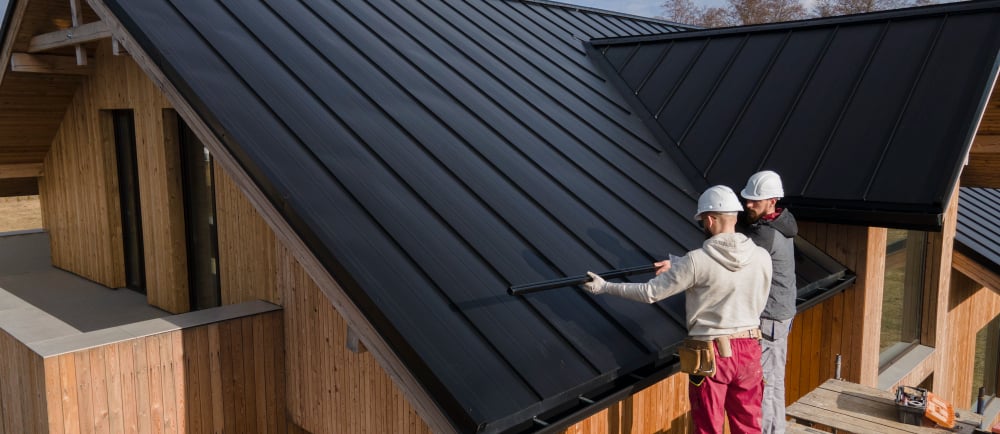
A skilled ADU & additions contractor helps homeowners navigate one of the most transformative upgrades possible—expanding their home’s livable space. Whether creating a rental unit, an in-law suite, a guesthouse, or a functional extension of the existing layout, an ADU (Accessory Dwelling Unit) or home addition requires precise planning, code compliance, and thoughtful design.
Using a step-by-step guide, this article explains how a contractor, consultant, and specialist work together to make expansion projects smooth, efficient, and beautifully executed.
Step 1: Evaluating Property Potential and Local Requirements
Site Assessment & Zoning Review
The process begins with the contractor reviewing your property’s:
setbacks and lot dimensions
utility access points
drainage patterns
parking requirements
existing structural layout
orientation for natural light
Because California cities enforce strict ADU regulations, the contractor confirms what type of ADU is allowed—attached, detached, garage conversion, or junior ADU.
Feasibility Analysis
This includes reviewing:
soil conditions
foundation requirements
access for construction equipment
distance from neighboring structures
potential excavation needs
This ensures the project is structurally viable before designs begin.
Step 2: Designing a Functional and Efficient ADU or Addition
Architectural Layout & Space Planning
A contractor collaborates with designers to create layouts that maximize comfort and efficiency.
This often includes:
open-concept living areas
full kitchens or compact kitchenettes
accessible bathrooms
integrated storage solutions
soundproofing between units
modern ventilation and insulation strategies
Designs focus on livability and compliance with building codes.
Energy Efficiency & Sustainability
Contractors incorporate:
Title 24–compliant windows and insulation
high-efficiency HVAC systems
heat pumps or tankless water heaters
energy-saving LED lighting
low-flow plumbing fixtures
These upgrades lower utility costs and meet state requirements.
Step 3: Cost Planning and Timeline Development
Detailed Budgeting
A contractor provides clear cost expectations for:
framing and structural work
plumbing and electrical installation
utility tie-ins or upgrades
interior finishes
exterior siding and roofing
permitting fees
Budget transparency prevents surprises during construction.
Timeline Breakdown
Typical phases include:
Planning & permits
Site prep & foundation work
Framing & structural elements
Rough plumbing & electrical
Insulation & drywall
Interior finishes
Exterior finishing touches
Final inspections
A contractor ensures each phase progresses smoothly.
Step 4: Bringing Expert Support with a Consultant
Refinement from an ADU & Additions Consultant
A knowledgeable ADU & additions consultant helps homeowners refine important design and functional details.
They guide decisions on:
layout optimization
privacy strategies between main house and ADU
natural light balance
sound insulation needs
storage placement
exterior continuity with the existing home
Consultants ensure the ADU feels intentional—not like an afterthought.
Permitting & Documentation Assistance
Consultants help navigate:
permit applications
zoning paperwork
energy compliance reports
site plans and engineering documents
This saves homeowners time and streamlines approval.
Step 5: Specialized Build-Out with an ADU & Additions Specialist
Precision Execution
A seasoned ADU & additions specialist ensures the construction meets quality, safety, and design expectations.
They oversee:
foundation and slab work
framing accuracy
roof and siding installation
moisture barrier integration
correct insulation placement
plumbing and electrical rough-ins
interior finish quality
Specialists ensure craftsmanship remains high from start to finish.
Solving Structural Challenges
Older homes often present issues such as:
outdated utilities
mismatched rooflines
old framing that needs reinforcement
uneven existing floors
The specialist adjusts designs to maintain structural integrity and visual harmony.
Step 6: Final Inspections, Finishes & Move-In
Quality Assurance
The contractor, consultant, and specialist jointly verify:
correct ventilation and insulation
proper fixture installation
door and window alignment
code-compliant electrical and plumbing systems
clean finish work
exterior integration with the home
Creating a Move-Ready Space
Whether the ADU will house family, guests, or renters, the final space feels polished, functional, and comfortable.
Conclusion: A Well-Planned Expansion Built for the Future
With a contractor guiding structural and regulatory steps, a consultant refining design choices, and a specialist ensuring construction excellence, homeowners gain a beautifully built ADU or addition that enhances property value, livability, and long-term flexibility. The project becomes a smart investment—not just more square footage.
Remodeling
Transforming spaces with expert craftsmanship and design.
Quality
Design
contact@wellsbranchremodeleraustin.com
© 2025. All rights reserved.